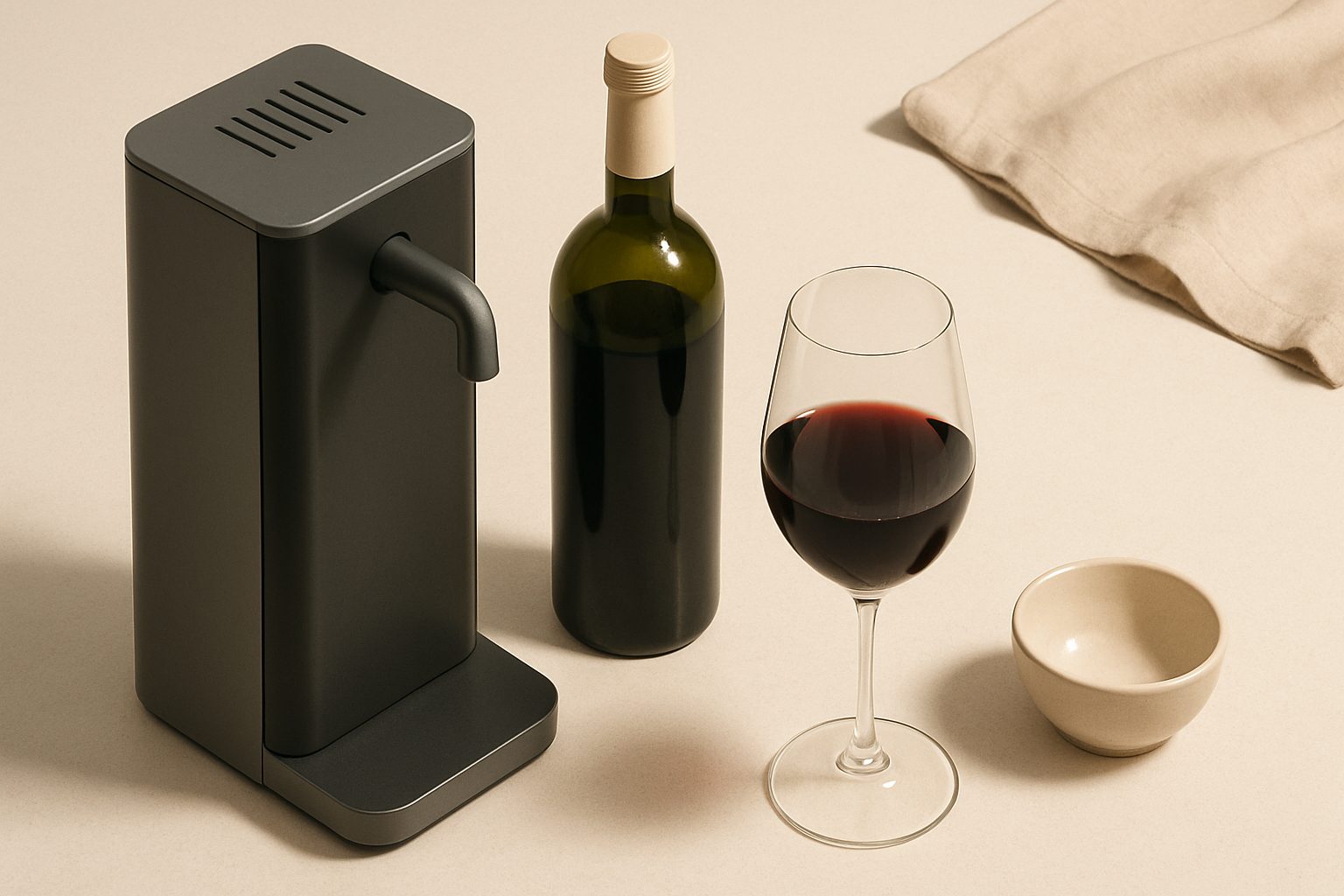
Best Wine Dispensers Under £50 UK: Great Value Picks for Every Home
If you've got a few bottles open on any given week, wine dispensers can save money and keep your wine fresher longer. The good news: you don't need to spend a fortune. Under £50, you can find practical solutions that work reliably for everyday drinking. The trade-off is simplicity—most options at this price are manual or basic electric—but for casual wine drinkers, that's genuinely sufficient.
What You Get at This Price Point
At under £50, expect manual pour spouts, vacuum stoppers, or entry-level electric systems. These lack the premium features—heated reserves, digital displays, or multi-bottle setups—but they do one thing well: keep opened wine fresher and accessible without wasting time or wine.
The most common options are vacuum systems (which remove air from a bottle to slow oxidation) and simple electric pourers (which dispense wine with a button press). Both work. Both have honest limitations. Let's break them down.
Manual Pour Spouts: The Budget Classic
A wine pourer spout is the cheapest option—usually under £5—but it's worth mentioning because it's genuinely useful for the price. A Coravin-style aerating pourer lets you pour without removing a cork or stopper, so you're not fumbling with tops every time you want a glass. It won't preserve wine longer, but it's convenient for bottles you'll finish within days.
Look for ones with a stainless steel needle and a silicone seal. The seal matters—cheap ones fail within weeks and let air in anyway. At this price, you're replacing them more often, but the initial investment is minimal.
Honest drawback: These don't slow oxidation. Wine stays fresh for 3–5 days depending on how full the bottle is and how often you open it. If you regularly leave bottles half-empty for a week, a vacuum stopper is a better choice.
Vacuum Stoppers: Best Value for Preservation
Vacuum stoppers are the sweetspot at under £50. A hand-pump vacuum stopper (like a basic Vacu Vin copy) costs £8–20 and genuinely works. You insert a rubber stopper into the bottle, pump out air about 5–10 times, and the wine stays fresher for days—typically 2 weeks vs 3–5 days with an open cork.
The mechanics are simple: less air around the wine slows oxidation. Tests aren't marketing fluff here—the difference is noticeable, especially with reds. A Pinot Noir you thought was turning after three days often tastes bright and clean a week later with a vacuum seal.
Most sets come with several stoppers (usually four) in different sizes to fit standard, Bordeaux, and Champagne bottles. A good set lasts years. The pump rarely fails because there are no electronic parts.
Honest drawback: Reusable rubber stoppers can wear or harden over time, and you need to remember to pump. It's not automatic. If you're forgetful or prefer zero friction, it feels slightly fiddly. Also, they don't prevent volume loss from evaporation—just slow it.
Best options: Look for sets with pump gauges (so you know when you've removed enough air) and spare stoppers. Vacu Vin originals are reliable; own-brand versions from Lakeland or online retailers perform nearly identically at half the price.
Basic Electric Pourers: Convenience Over Speed
Electric wine dispensers under £50 are usually battery-operated countertop units that dispense wine with a button press, then stop automatically after pouring. They're appealing because they're hands-free and look sleek.
They work, but with caveats. Most dispense wine adequately once, then require re-priming before the next pour if there's been a delay (sometimes minutes, sometimes hours—it depends on the seal). This defeats the "convenience" angle slightly. Also, they pour from a single open bottle—wine's exposed to air during storage, so oxidation still happens, just more slowly than a completely open bottle. Expect 3–7 days of decent freshness.
These make sense if you drink the same wine regularly and want to avoid cork/stopper faffing. They're less sensible if you want longevity or flexibility across multiple bottles.
Honest drawback: Battery life varies wildly (some last 50 pours, others 100+). Sealed wine inside can dry out the pouring mechanism, causing blockages. At this price, you're also betting on durability—reviews are mixed on whether they survive 2+ years of daily use.
Best options: Look for ones with good reviews on pouring consistency and longevity, stainless steel internals (reduces corrosion), and clear instructions for priming and cleaning. Generic brands from supermarkets often have poor longevity; specialist wine retailers' own-brand versions tend to be better.
Which One Should You Buy?
If you open 1–2 bottles per week: A vacuum stopper set. Cost: £10–20. It'll preserve wine for up to two weeks, pay for itself in saved bottles, and lasts years.
If you want zero-friction convenience: A basic electric pourer. Cost: £25–50. Accept that wine won't keep as long, so drink it within a week or use it for bottles you're opening tonight or tomorrow.
If you just want a nicer pour: A manual spout. Cost: £5–15. Cheap, useful for quick pours, no preservation benefit, but no maintenance either.
Most households under £50 end up with a vacuum stopper set because the value is unbeatable—genuine preservation, low cost, zero moving parts, and they work.
Worth Upgrading?
At under £50, you're using basic preservation and manual effort. Premium wine dispensers (£200+) offer multi-bottle systems with temperature control and vacuum sealing, holding wine fresh for weeks. If you're serious about wine or you're routinely opening bottles and not finishing them for weeks, that's the upgrade path. For casual drinkers and regular finishers, the budget tier is honest value—you're not missing critical functionality, just convenience features.
Bottom line: Under £50, focus on a vacuum stopper if preservation matters or an electric pourer if convenience is the priority. Both work genuinely well for the cost.
More options
- Electric Home Wine Dispensers (Amazon UK)
- Wine Preservation Systems (Argon / Vacuum) (Amazon UK)
- Countertop Wine Cooler Dispensers (Amazon UK)
- Box Wine Dispensers & Bag-in-Box Taps (Amazon UK)
- Wine Dispenser Gift Sets (Amazon UK)